
Introduction: The Foundation of Societal Growth
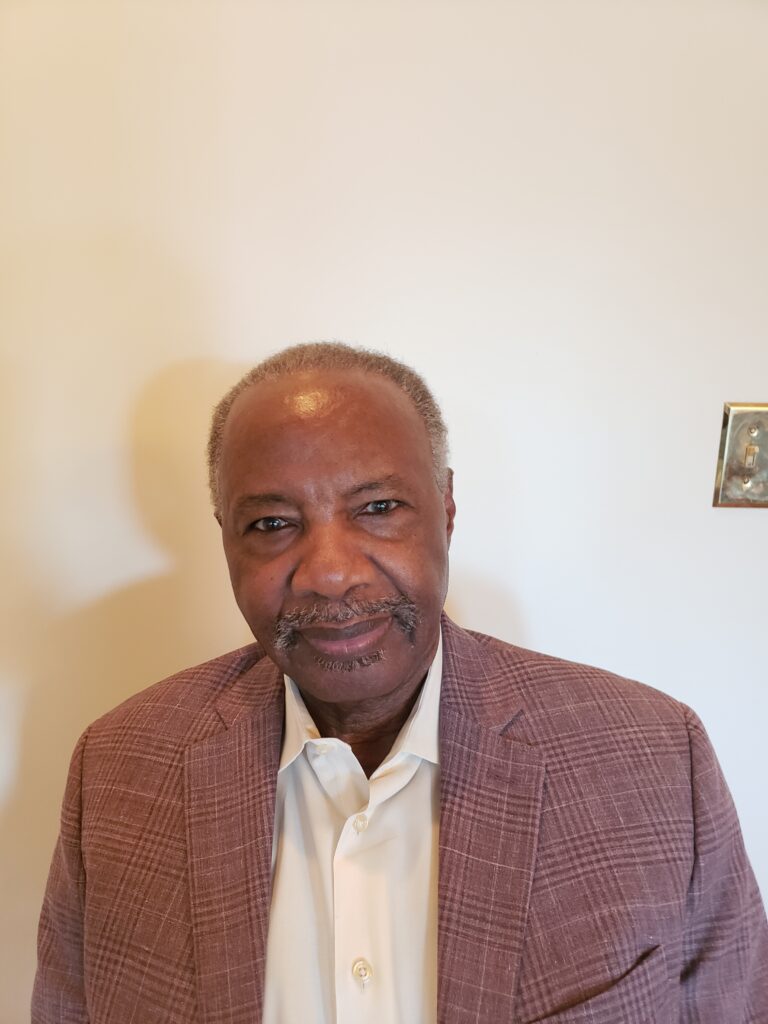
Education is frequently misunderstood as a purely individual pursuit, serving only as a mechanism for personal career advancement or private intellectual enrichment. In reality, the pursuit of knowledge acts as the bedrock of a healthy society, functioning as a catalyst for long-term communal stability and economic prosperity. When a community commits to robust educational initiatives, it initiates a profound ripple effect that touches every facet of local life, from public health outcomes to the integrity of democratic processes. Says Dr. James D. Charasika, by prioritizing learning, we do not merely teach individuals; we cultivate a collaborative environment where future challenges are met with collective wisdom and innovation.
The strategic investment in educational infrastructure is perhaps the most significant legacy a generation can leave for its successors. This commitment requires a shift in perspective, moving away from viewing schools as isolated institutions toward recognizing them as hubs of communal evolution. When citizens recognize that their neighbors’ intellectual growth is intrinsically tied to their own well-being, the barriers to progress begin to dissolve. This article explores how focused educational investment serves as the primary engine for creating a more resilient, equitable, and prosperous community for all inhabitants.
Economic Vitality Through Human Capital
A community that invests heavily in quality education invariably fosters a more robust local economy. By equipping the workforce with relevant skills, technical proficiency, and critical thinking capabilities, a region becomes more attractive to diverse industries and entrepreneurial ventures. As residents gain specialized knowledge, the local labor market stabilizes, reducing unemployment rates and increasing average household income. This financial infusion circulates through the community, supporting local businesses and improving the overall quality of life.
Furthermore, educational investment serves as a preventive measure against the economic stagnation often caused by skill gaps. When a community actively funds vocational training, early childhood literacy programs, and higher education access, it mitigates the costs associated with social services and public assistance. A well-educated population is statistically more productive, generates higher tax revenue, and demonstrates a greater capacity for self-sufficiency. Ultimately, the economic ripple effect created by learning ensures that the community remains competitive in a rapidly evolving global marketplace.
Civic Engagement and Social Cohesion
Education is the cornerstone of a functional democracy, as it empowers citizens to engage critically with the complex issues facing their surroundings. A community that fosters a culture of learning encourages its members to participate in civic duties, from local board meetings to volunteering efforts. When individuals are educated, they are better equipped to analyze information, hold leadership accountable, and contribute constructively to public discourse. This heightened level of civic participation leads to more transparent governance and a stronger sense of shared responsibility among residents.
Beyond political engagement, education serves as a bridge that connects individuals from diverse backgrounds, fostering empathy and social cohesion. Schools and libraries provide common ground where shared values are articulated and cross-cultural understanding is nurtured. By providing citizens with the tools to communicate effectively and navigate differences, education reduces social fragmentation. A community that learns together stays together, building a sense of belonging that is essential for maintaining peace and collective morale during times of crisis.
Health Outcomes and Quality of Life
The relationship between educational attainment and public health is remarkably direct and significant. Research consistently demonstrates that higher levels of education are correlated with better health outcomes, including longer life expectancy and lower rates of chronic disease. Educated individuals are generally better equipped to navigate the complexities of the healthcare system, make informed decisions regarding their well-being, and adopt healthier lifestyle choices. This creates a ripple effect, as families with better health outcomes are more likely to participate in their community and support others.
Furthermore, when a community invests in education, it often integrates health literacy into its curriculum, addressing issues like nutrition, mental wellness, and preventative care. This holistic approach reduces the overall burden on the local healthcare infrastructure. When fewer people suffer from preventable illnesses, public funds can be redirected toward infrastructure, parks, and other communal resources. Consequently, the act of educating the populace directly translates into a more vibrant, energetic, and sustainable community environment where everyone thrives.
Conclusion: Sustaining the Momentum
Investing in education is not a short-term expenditure but a permanent investment in the future of the communal collective. The ripple effect of such an endeavor ensures that the benefits of knowledge are compounded over time, leading to lasting improvements in every sector of society. By acknowledging that every individual’s education is a communal asset, we can foster a culture that values curiosity, expertise, and persistent development. The strength of our future relies entirely on the quality of our commitment today.
As we look toward the horizon, we must continue to prioritize resources, time, and attention toward pedagogical advancements. By doing so, we ensure that our communities remain resilient enough to adapt to whatever challenges arise. Building a stronger community is a continuous process that demands vision, funding, and unwavering collective support. When we commit to this ripple effect, we do more than educate a population; we build an enduring legacy of wisdom, prosperity, and unity for generations yet to come.